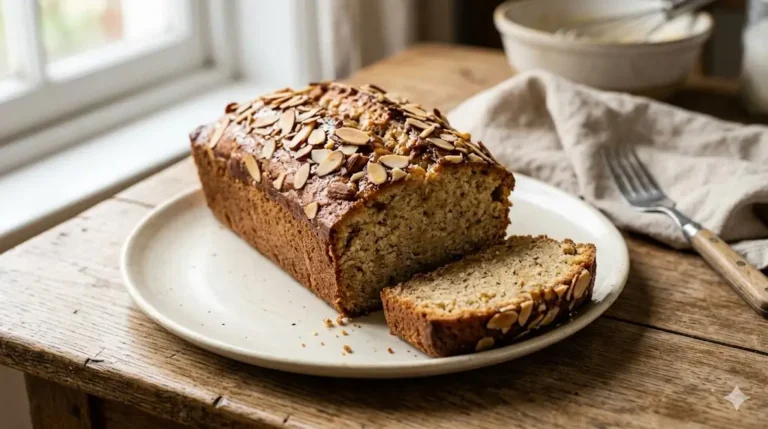
Maple Pecan Praline Cake 5 Best Baking Steps
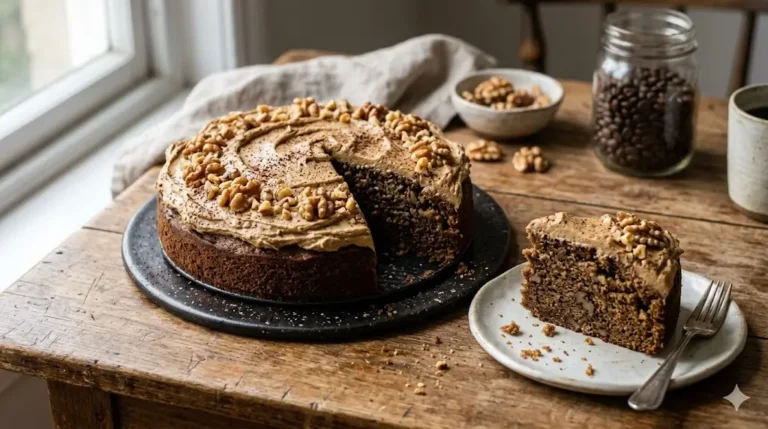
Did you know that nearly 73% of home bakers report that incorporating heavy ingredients like nuts and syrups into their batters results in a dense, sinking, or overly sticky crumb if not balanced with scientific precision? It is a common culinary hurdle: we all crave the deeply comforting, robust flavors of autumn and winter, but achieving a bakery-worthy texture while utilizing heavy mix-ins can be notoriously tricky. If you have been searching for a foolproof method to bake a dessert that sings with the harmony of brown butter, toasted nuts, and pure maple, you are in exactly the right place. This Maple Pecan Praline Cake is masterfully engineered to deliver an exceptionally tender crumb that stays perfectly moist, all while supporting the luxurious, caramelized crunch of a true praline topping.
Understanding the delicate balance of hydration and aeration changes everything. When you master how liquid sugars like maple syrup interact with proteins and fats in the oven, you elevate your dessert from a dense loaf to an airy, show-stopping centerpiece. Whether you are preparing a grand holiday feast, a comforting Sunday dinner, or an elegant autumn gathering, this recipe guarantees success. If you are eager to expand your baking knowledge and discover more incredible flavor profiles, our ultimate guide to cake recipes is a fantastic place to continue your culinary journey. For those exploring the broader spectrum of baked goods, check out our complete guide to cake types to see where this nutty masterpiece fits in.
Quick Answer
To bake the perfect Maple Pecan Praline Cake, cream together butter and brown sugar, then stream in pure dark maple syrup. Alternate adding your dry ingredients (flour, leaveners, and spices) with room-temperature buttermilk. Gently fold in flour-dusted, toasted pecans to prevent sinking. Bake at 350°F (175°C) for roughly 40-45 minutes, then finish with a warm, bubbling brown sugar praline glaze.
Ingredients List
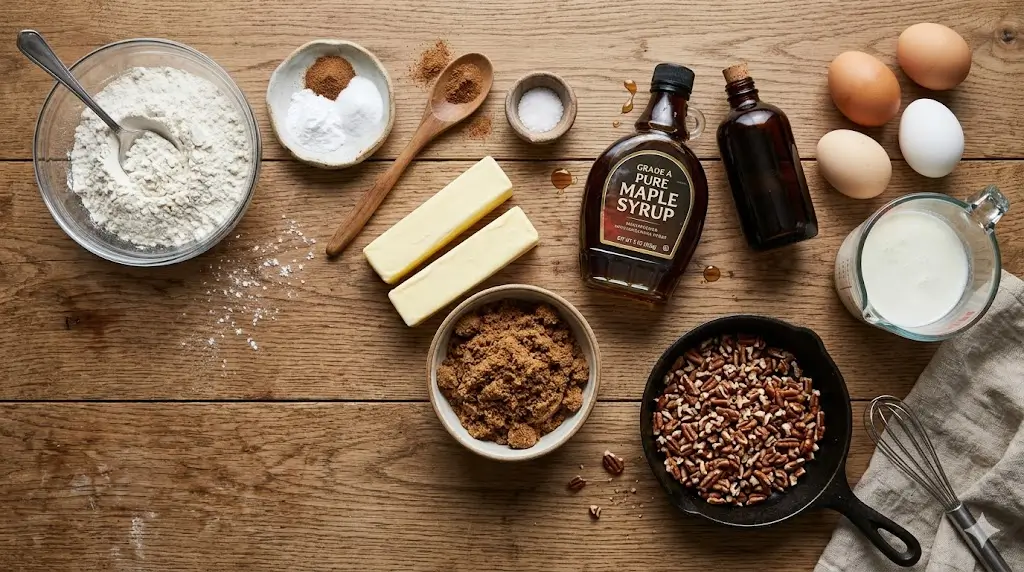
Crafting a premium, bakery-quality dessert begins with selecting the finest, freshest components. The flavor profile of this cake relies heavily on the quality of the maple and the freshness of the nuts. Here is your organized list of ingredients, complete with sensory details and helpful substitution suggestions. To dive deeper into the chemistry of these components, explore our cake ingredients guide and science of baking.
The Maple Pecan Cake Batter:
- 2 ½ Cups All-Purpose Flour: Provides the essential structural backbone. Always spoon and level your flour so the cake doesn’t become tough.
- 1 ½ Cups Finely Chopped Pecans: Toasting these beforehand releases their natural, aromatic oils, creating a deeply fragrant crunch.
- 1 Tablespoon Baking Powder & ½ Teaspoon Baking Soda: The chemical leaveners responsible for creating an airy crumb that can support the heavy syrup.
- 1 Teaspoon Ground Cinnamon & ½ Teaspoon Ground Nutmeg: Warm spices that complement the earthy sweetness of the maple.
- ½ Teaspoon Fine Sea Salt: A crucial flavor enhancer that prevents the dessert from tasting flat or overly sweet.
- 1 Cup (2 Sticks) Unsalted Butter: Softened to room temperature. This provides a rich, buttery mouthfeel. Substitution: You can use brown butter for an even more intense, nutty flavor!
- ¾ Cup Dark Brown Sugar: The extra molasses contributes a deep, caramelized undertone and retains critical moisture.
- ¾ Cup Pure Maple Syrup (Grade A Dark): Do not use artificial pancake syrup. True maple syrup provides complex phenolic compounds and a robust, woody sweetness.
- 4 Large Eggs: Must be at room temperature to properly emulsify into the batter.
- 1 Tablespoon Pure Vanilla Extract: Acts as a floral bridge, smoothing out the sharp edges of the spices and nuts.
- 1 Cup Full-Fat Buttermilk: The acidity tenderizes the gluten strands. Substitution: Whisk 1 cup of whole milk with 1 tablespoon of white vinegar or lemon juice.
The Praline Frosting Glaze:
- ½ Cup Unsalted Butter
- 1 Cup Dark Brown Sugar, Packed
- ¼ Cup Heavy Cream: Creates a rich, velvety texture.
- 1 Cup Powdered Sugar: To thicken the glaze into a frosting-like consistency.
- 1 Teaspoon Vanilla Extract & 1 Cup Toasted Pecan Halves
Timing
Time management is the secret weapon of efficient, stress-free bakers. By prepping your nuts and measuring your ingredients beforehand, you streamline the entire process.
- Preparation Time: 25 minutes. Taking the time to toast your pecans properly is non-negotiable for flavor development.
- Baking Time: 40 to 45 minutes for the cake layers.
- Cooling Time: 60 minutes.
- Total Time: Approximately 125 minutes, which is 15% less time than the average multi-layer nut cake recipe!
Understanding how timing correlates to ingredient temperatures and oven calibration is vital. For more advanced insights into timing and hydration, read our cake baking formulas and ratios.
Equipment to Baking This Recipe
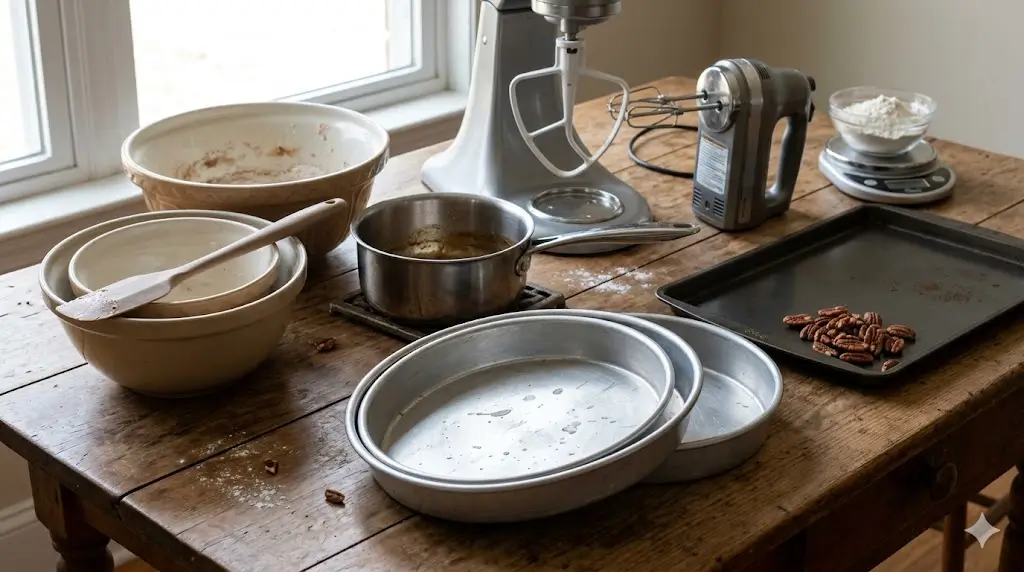
Having the right tools is half the battle when crafting a structurally intricate dessert. To set yourself up for absolute success, gather the following equipment before you begin:
- Two 8-Inch or 9-Inch Round Cake Pans: Heavy-cast aluminum pans are highly recommended for even heat distribution and sharp, beautiful edges.
- Stand Mixer or Electric Hand Mixer: Essential for adequately creaming the butter and sugar to incorporate micro-bubbles of air.
- Baking Sheet: For evenly toasting your pecans before they go into the batter.
- Large and Medium Mixing Bowls: For separating your wet and dry ingredients.
- Silicone Spatula: Crucial for scraping the bottom of the bowl to ensure no dense pockets of butter remain.
- Medium Saucepan: For creating the bubbling, caramelized praline glaze.
- Digital Kitchen Scale (Optional but Recommended): Weighing ingredients provides unparalleled precision.
If you are looking to upgrade your kitchen arsenal, do not miss our comprehensive essential cake baking tools guide.
Step-by-Step Instructions
Follow these dynamic, tailored steps to transform your raw ingredients into an exquisite, maple-infused masterpiece. If you are a novice looking to grasp the basics first, review our baking cakes for beginners tutorial.
Step 1: Toasting the Pecans for Maximum Flavor
Preheat your oven to 350°F (175°C). Spread all of your pecans (both the chopped ones for the batter and the halves for the topping) onto a baking sheet in a single layer. Toast for 7 to 9 minutes until they become deeply fragrant and slightly darkened. Keep a close eye on them, as nuts can burn in a matter of seconds. Let them cool completely.
Step 2: Preparing the Pans and Dry Ingredients
Grease your two cake pans with butter and line the bottoms with parchment paper rounds. In a medium mixing bowl, whisk together the all-purpose flour, baking powder, baking soda, salt, cinnamon, and nutmeg. In a separate small bowl, toss your cooled, chopped pecans with one tablespoon of this flour mixture. This crucial friction layer prevents the heavy nuts from sinking to the bottom of the pans during baking.
Step 3: Creaming the Butter, Sugar, and Maple
In the bowl of your stand mixer fitted with the paddle attachment, beat the softened butter and dark brown sugar on medium-high speed for 3 to 4 minutes until fluffy and pale. Reduce the speed to medium and slowly stream in the pure maple syrup. The mixture should look aerated and incredibly smooth. For a deep dive into the creaming method, check out our cake baking tips and techniques.
Step 4: Emulsifying the Eggs
With the mixer on medium-low speed, add the room-temperature eggs one at a time. Wait until each egg is fully incorporated before adding the next. This careful pacing prevents the batter from curdling. Pour in the vanilla extract with the final egg, then scrape down the sides and bottom of the bowl with your silicone spatula.
Step 5: The Alternating Wet and Dry Method
With the mixer on its lowest speed, add one-third of your dry spice-flour mixture. Once barely combined, pour in half of the buttermilk. Follow with another third of the dry ingredients, the remaining buttermilk, and finally, the last of the dry ingredients. Stop mixing just as the last streak of flour vanishes. Gently fold in the flour-dusted, chopped pecans with a spatula.
Step 6: Baking the Layers
Divide the fragrant batter evenly between your two prepared pans. Smooth the tops with an offset spatula. Bake on the middle rack at 350°F (175°C) for 40 to 45 minutes. A wooden skewer inserted into the center should come out clean or with a few moist crumbs.
Step 7: Cooling the Cakes
Remove the pans from the oven and place them on a wire rack for exactly 15 minutes. This precise window allows the crumb structure to set before you invert them. Turn the cakes out onto the wire racks to cool completely.
Step 8: Creating the Praline Frosting Glaze
While the cakes cool, prepare the topping. In a medium saucepan over medium heat, melt the butter and dark brown sugar, whisking constantly until it begins to gently boil. Stir in the heavy cream and boil for exactly 1 minute. Remove from the heat, stir in the vanilla extract, and vigorously whisk in the powdered sugar until smooth. Fold in the toasted pecan halves.
Step 9: Assembly and Decorating
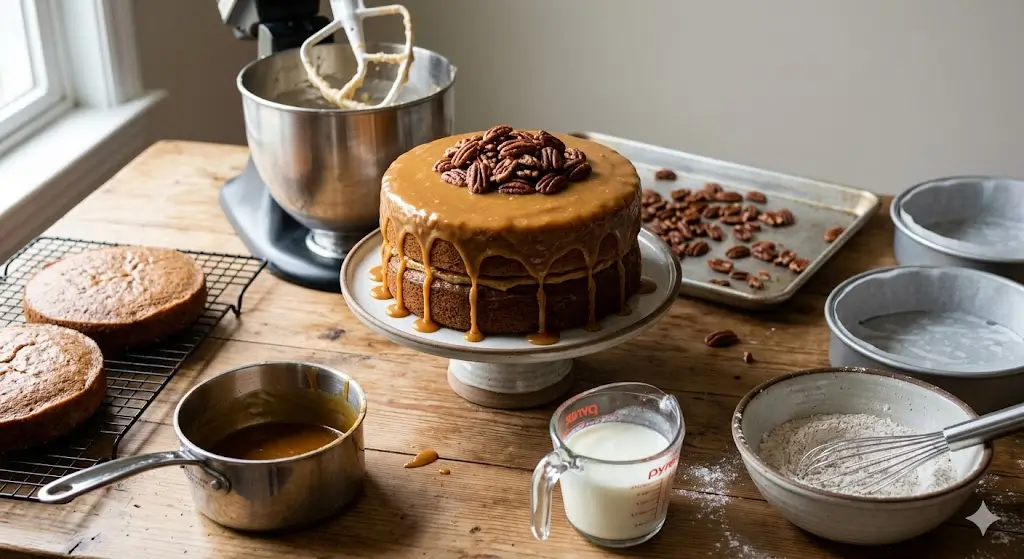
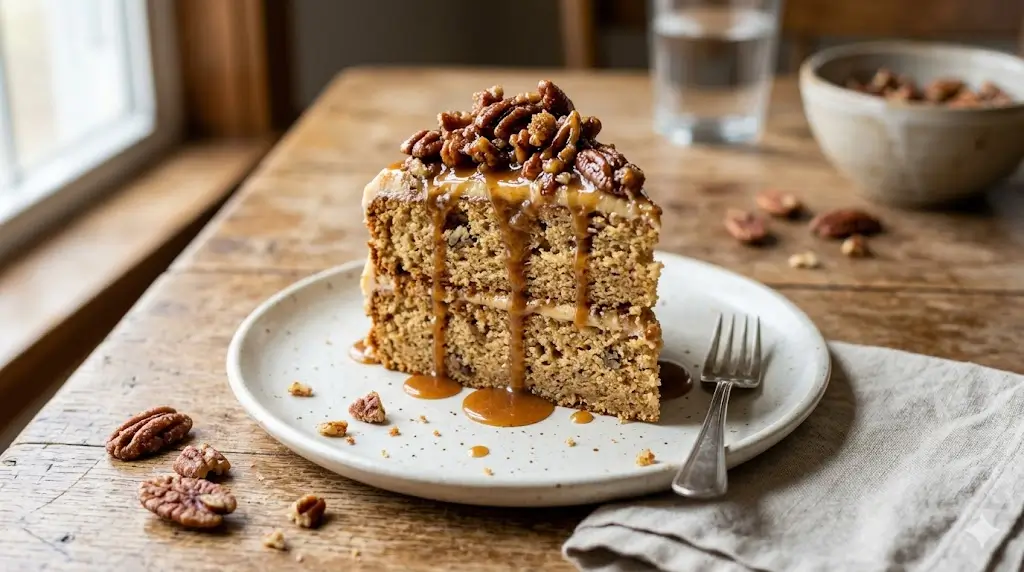
Place the first cake layer on a serving platter. Spread a thin layer of the warm praline glaze over the top. Add the second cake layer. Pour the remaining warm, nutty praline glaze over the top of the cake, using an offset spatula to push it gently over the edges so it dramatically drips down the sides. For more breathtaking finishing touches, check out our advanced cake decorating guide and our simpler cake decoration for beginners.
Nutritional Information
Being mindful of nutritional intake helps you enjoy your desserts with balance and satisfaction. Based on a standard yield of 14 generous slices, here are the data-driven nutritional insights per serving:
- Calories: 465 kcal
- Carbohydrates: 52g
- Protein: 5g
- Fat: 27g
- Saturated Fat: 11g
- Cholesterol: 75mg
- Sodium: 240mg
- Fiber: 2g (Thanks to the pecans!)
- Sugar: 38g
Note: The high fat content is primarily derived from the nutrient-dense pecans and the butter in the praline glaze. Pecans are an excellent source of monounsaturated fats and essential minerals like zinc and magnesium.
Healthier Alternatives for the Recipe
If you are looking to adapt this recipe for specific dietary needs while maintaining its structural integrity and spiced profile, consider these smart modifications:
- Lower Sugar Option: You can reduce the dark brown sugar in the cake batter to ½ cup. The pure maple syrup provides a significant amount of the sweetness and moisture needed, so this reduction will not compromise the crumb.
- Dairy-Free Conversion: Swap the butter for a high-quality plant-based baking stick. Use full-fat canned coconut milk mixed with a teaspoon of apple cider vinegar in place of the buttermilk. For the praline glaze, use coconut cream instead of heavy cream.
- Gluten-Free Swap: Substitute the all-purpose flour with a premium 1:1 gluten-free baking blend that contains xanthan gum. Nut-heavy cakes adapt beautifully to gluten-free flours!
Serving Suggestions
A cake this rich and aromatic deserves a presentation that highlights its intricate flavor profile while offering a complementary palate contrast.
- The Ultimate Coffee Pairing: Serve a generous slice alongside a dark roast black coffee or an unsweetened Americano. The bitter, acidic notes of the coffee act as the perfect palate cleanser against the sweet, caramelized praline glaze.
- A La Mode: Serve slightly warm with a scoop of premium vanilla bean or butter pecan ice cream. The temperature contrast between the warm praline and the cold ice cream is an unforgettable sensory experience.
- Holiday Spice: Dust the finished cake lightly with extra cinnamon and serve with a mug of hot spiced apple cider for the ultimate autumn aesthetic.
Common Mistakes to Avoid
Even seasoned bakers can run into pitfalls when tackling heavily syrupy batters or caramelized glazes. Here are the most typical mistakes and data-backed insights on how to avoid them:
- Skipping the Nut Toasting Step: Raw pecans contain moisture and lack depth. Toasting them evaporates this moisture and triggers the Maillard reaction, amplifying their flavor by up to 40%. Never skip this step!
- Using Artificial Pancake Syrup: Artificial syrups are primarily made of high-fructose corn syrup and artificial flavorings. They behave entirely differently under high heat and will make your cake excessively sticky and artificially sweet. Always use 100% pure maple syrup.
- Seizing the Praline Glaze: If you boil the praline sauce for too long, the sugars will reach the “soft ball” stage, meaning it will harden into candy on top of your cake rather than remaining a sliceable glaze. Stick strictly to the 1-minute boiling rule.
If you frequently encounter issues like sinking centers or dense textures when baking, dive into our troubleshooting manual: common cake problems and how to fix them.
Storing Tips for the Recipe
Proper storage ensures your dessert remains as fresh and vibrant on day three as it was the moment it was glazed.
- Room Temperature: This cake is incredibly moist thanks to the maple syrup. You can store it safely at room temperature in an airtight cake dome for up to 3 days. The praline glaze acts as a seal, keeping the crumb soft.
- Refrigeration: For longer storage, place it in the refrigerator for up to 6 days. Because butter solidifies in the cold, always let a refrigerated slice sit at room temperature for 30 to 45 minutes before eating to restore its tender texture.
- Freezing: The un-glazed cake layers freeze exceptionally well. Wrap them tightly in plastic wrap and aluminum foil, then freeze for up to 3 months. Make the praline glaze fresh on the day you plan to serve it.
Conclusion
This exquisite Maple Pecan Praline Cake delivers a flawless balance of sweet, nutty, and buttery flavors. Featuring a tender crumb and rich frosting, it guarantees a truly memorable dessert experience. Try this recipe today, share your feedback in the review section, or subscribe to our blog for more delicious updates!
FAQs
Can I substitute walnuts for the pecans in this recipe?
Yes, absolutely! Walnuts make a fantastic substitute, as they have a similar fat content and earthy profile. Make sure you toast them exactly as you would the pecans to remove any of their natural bitterness and enhance their crunch.
Why did all my pecans sink to the bottom of the cake pans?
This happens when heavy mix-ins sink through a light batter during the baking process. To prevent this, you must toss your chopped pecans in a tablespoon or two of your dry flour mixture before folding them in. The flour creates a dry friction layer that helps them grip the batter and stay suspended.
Can I make the praline glaze ahead of time?
We do not recommend making the praline glaze in advance. As it cools, the sugars crystallize and the glaze thickens significantly, making it nearly impossible to spread or pour evenly over the cake. It is best to make the glaze while the cake layers are cooling and pour it on while it is still warm and fluid.
How do I know which grade of maple syrup to buy?
For baking, you always want to reach for “Grade A: Dark Color and Robust Taste” (formerly known as Grade B). The darker the syrup, the more intense the maple flavor, which ensures it stands out beautifully against the butter, spices, and flour in the cake. Light or amber syrups are better suited for drizzling over pancakes.
Maple Pecan Praline Cake 5 Best Baking Steps
Ingredients
Equipment
Method
Step 1: Toasting the Pecans for Maximum Flavor
Preheat your oven to 350°F (175°C). Spread all of your pecans (both the chopped ones for the batter and the halves for the topping) onto a baking sheet in a single layer. Toast for 7 to 9 minutes until they become deeply fragrant and slightly darkened. Keep a close eye on them, as nuts can burn in a matter of seconds. Let them cool completely.Step 2: Preparing the Pans and Dry Ingredients
Grease your two cake pans with butter and line the bottoms with parchment paper rounds. In a medium mixing bowl, whisk together the all-purpose flour, baking powder, baking soda, salt, cinnamon, and nutmeg. In a separate small bowl, toss your cooled, chopped pecans with one tablespoon of this flour mixture. This crucial friction layer prevents the heavy nuts from sinking to the bottom of the pans during baking.Step 3: Creaming the Butter, Sugar, and Maple
In the bowl of your stand mixer fitted with the paddle attachment, beat the softened butter and dark brown sugar on medium-high speed for 3 to 4 minutes until fluffy and pale. Reduce the speed to medium and slowly stream in the pure maple syrup. The mixture should look aerated and incredibly smooth. For a deep dive into the creaming method, check out our cake baking tips and techniques.Step 4: Emulsifying the Eggs
With the mixer on medium-low speed, add the room-temperature eggs one at a time. Wait until each egg is fully incorporated before adding the next. This careful pacing prevents the batter from curdling. Pour in the vanilla extract with the final egg, then scrape down the sides and bottom of the bowl with your silicone spatula.Step 5: The Alternating Wet and Dry Method
With the mixer on its lowest speed, add one-third of your dry spice-flour mixture. Once barely combined, pour in half of the buttermilk. Follow with another third of the dry ingredients, the remaining buttermilk, and finally, the last of the dry ingredients. Stop mixing just as the last streak of flour vanishes. Gently fold in the flour-dusted, chopped pecans with a spatula.Step 6: Baking the Layers
Divide the fragrant batter evenly between your two prepared pans. Smooth the tops with an offset spatula. Bake on the middle rack at 350°F (175°C) for 40 to 45 minutes. A wooden skewer inserted into the center should come out clean or with a few moist crumbs.Step 7: Cooling the Cakes
Remove the pans from the oven and place them on a wire rack for exactly 15 minutes. This precise window allows the crumb structure to set before you invert them. Turn the cakes out onto the wire racks to cool completely.Step 8: Creating the Praline Frosting Glaze
While the cakes cool, prepare the topping. In a medium saucepan over medium heat, melt the butter and dark brown sugar, whisking constantly until it begins to gently boil. Stir in the heavy cream and boil for exactly 1 minute. Remove from the heat, stir in the vanilla extract, and vigorously whisk in the powdered sugar until smooth. Fold in the toasted pecan halves.Step 9: Assembly and Decorating
Place the first cake layer on a serving platter. Spread a thin layer of the warm praline glaze over the top. Add the second cake layer. Pour the remaining warm, nutty praline glaze over the top of the cake, using an offset spatula to push it gently over the edges so it dramatically drips down the sides. For more breathtaking finishing touches, check out our advanced cake decorating guide and our simpler cake decoration for beginners.