What is a Chiffon Cake? 7 Best Pro Tips
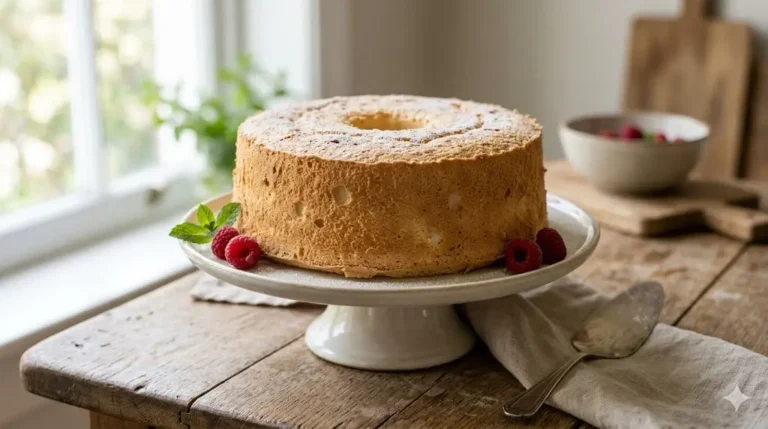
Did you know that the recipe for chiffon cake was invented in 1927 by a Los Angeles insurance agent who kept his revolutionary formula a secret for over 20 years? This fascinating historical data point challenges the common belief that all classic pastries originate in French kitchens. The secret he finally sold to General Mills in the 1940s was shockingly simple: swapping traditional solid butter for liquid vegetable oil. So, exactly What is a Chiffon Cake? It is a hybrid marvel of the baking world, combining the rich flavor of a butter cake with the ethereal, cloud-like texture of an angel food cake. If you are diving into baking cakes for beginners, understanding this unique dessert will completely change the way you look at batters. In this comprehensive guide, we are going to explore the unique science, history, and techniques behind this beloved treat. From understanding its molecular structure to perfecting the meringue fold, we will ensure your next baking endeavor is a towering success.
Quick Answer
What is a Chiffon Cake? It is a light, airy cake that combines a batter made with vegetable oil, egg yolks, and baking powder, folded gently into a stiff meringue of beaten egg whites. It is baked in an ungreased tube pan and cooled upside down to maintain its exceptionally tall, spongy structure.
Ingredients List
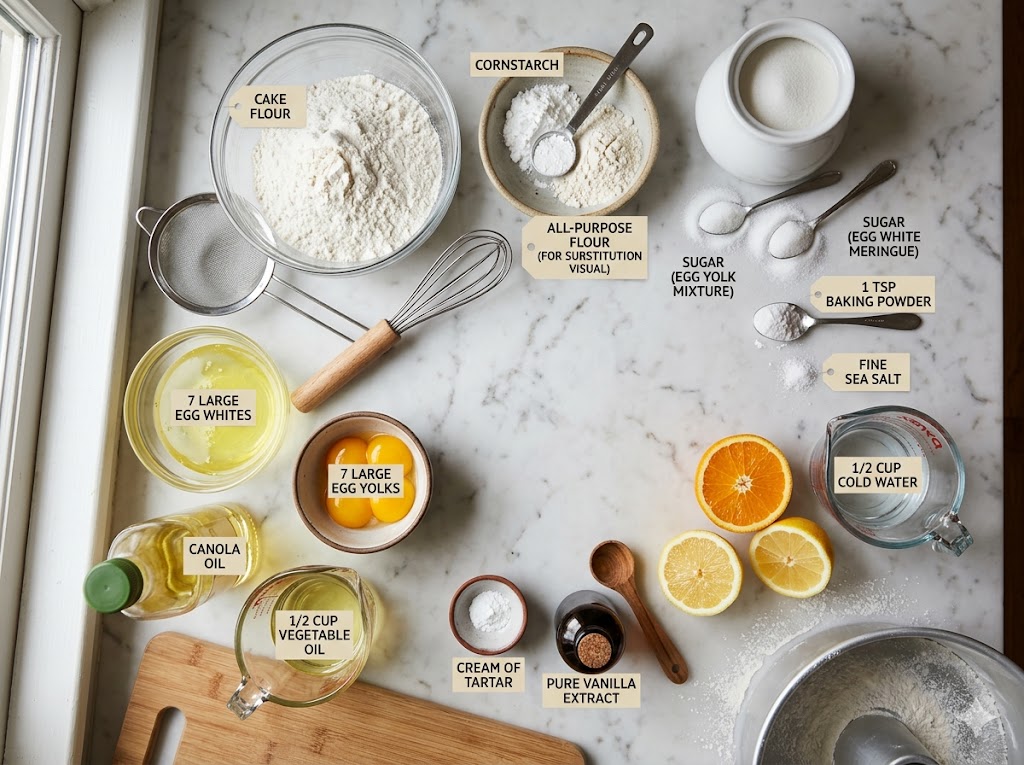
Creating the perfect chiffon texture requires a very specific synergy between fat, protein, and leavening agents. Understanding your components is essential, and you can learn even more by exploring our comprehensive cake ingredients guide and science of baking.
- 2 ¼ cups Cake Flour: This low-protein flour is non-negotiable. It provides just enough structure to hold the cake together without creating dense gluten networks. Substitution: If you are in a pinch, you can make your own by measuring 2 ¼ cups of all-purpose flour, removing 4 ½ tablespoons of it, and replacing those with cornstarch. Sift meticulously.
- 1 ½ cups Granulated Sugar: Divided into two parts. One part sweetens the yolk batter, while the other stabilizes the egg white meringue.
- 1 tablespoon Baking Powder: Unlike angel food cake, which relies solely on egg whites, chiffon cake uses chemical leavening for an extra, reliable lift.
- 1 teaspoon Fine Sea Salt: Balances the sweetness and enhances the overall flavor profile.
- ½ cup Vegetable Oil: The defining ingredient! Because oil remains liquid at room temperature, this cake stays incredibly moist even when chilled, unlike butter cakes. Substitution: Canola or grapeseed oil work perfectly. Avoid heavy oils like extra virgin olive oil unless you want a savory undertone.
- 7 Large Egg Yolks: These provide richness, color, and emulsification to the batter. They must be at room temperature.
- ¾ cup Cold Water: You can use water, but for a classic touch, freshly squeezed orange juice or lemon juice is fantastic.
- 1 tablespoon Pure Vanilla Extract: High-quality vanilla is crucial for masking any subtle “eggy” flavors.
- 7 Large Egg Whites: The structural powerhouse of the recipe. They should be at room temperature to achieve maximum volume during whipping.
- ½ teaspoon Cream of Tartar: An acid that stabilizes the egg whites, ensuring they don’t deflate when folded into the heavy batter.
Timing
Baking a chiffon cake is a labor of love that requires patience and precision. If you are curious about how these timings compare to other styles, take a look at our complete guide to cake types. Here is the exact breakdown of the time you will need:
- Prep Time: 30 minutes (includes separating eggs, sifting, and making the meringue)
- Cook Time: 55 to 60 minutes
- Cooling Time: 120 minutes (must be cooled completely upside down)
- Total Time: 3 hours and 25 minutes
Data Insight: While the overall time is over 3 hours, your active preparation is only 30 minutes. The 120-minute cooling period is completely passive but is 100% vital; skipping it will result in your cake losing up to 40% of its volume as it collapses under its own weight.
Equipment to Baking This Recipe
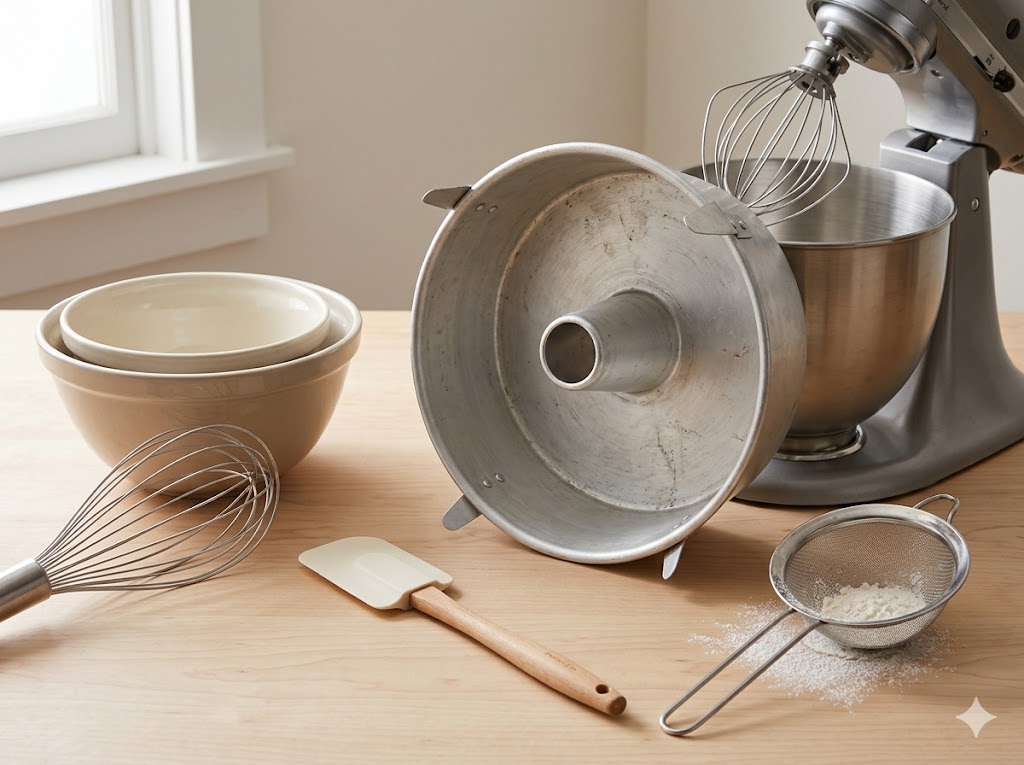
Using the correct tools is absolutely critical for this specific type of dessert. An improper pan will guarantee a baking failure. To upgrade your kitchen arsenal, read our essential cake baking tools guide.
- 10-Inch Aluminum Tube Pan (Ungreased): This must be an uncoated, two-piece pan. The batter needs to physically grip the sides to climb high. A non-stick bundt pan will not work.
- Stand Mixer: Essential for rapidly beating the egg whites into a stiff, glossy meringue.
- Large Mixing Bowls: You will need two—one for the yolk batter and one for the whites.
- Large Balloon Whisk and Rubber Spatula: For gentle folding without knocking out the trapped air.
- Fine Mesh Strainer: For sifting the dry ingredients to ensure a lump-free batter.
Step-by-Step Instructions
Follow these instructions with care to utilize the absolute best cake baking tips and techniques available to home bakers. The magic happens during the folding process.
Step 1: Prepare Your Station and Dry Ingredients
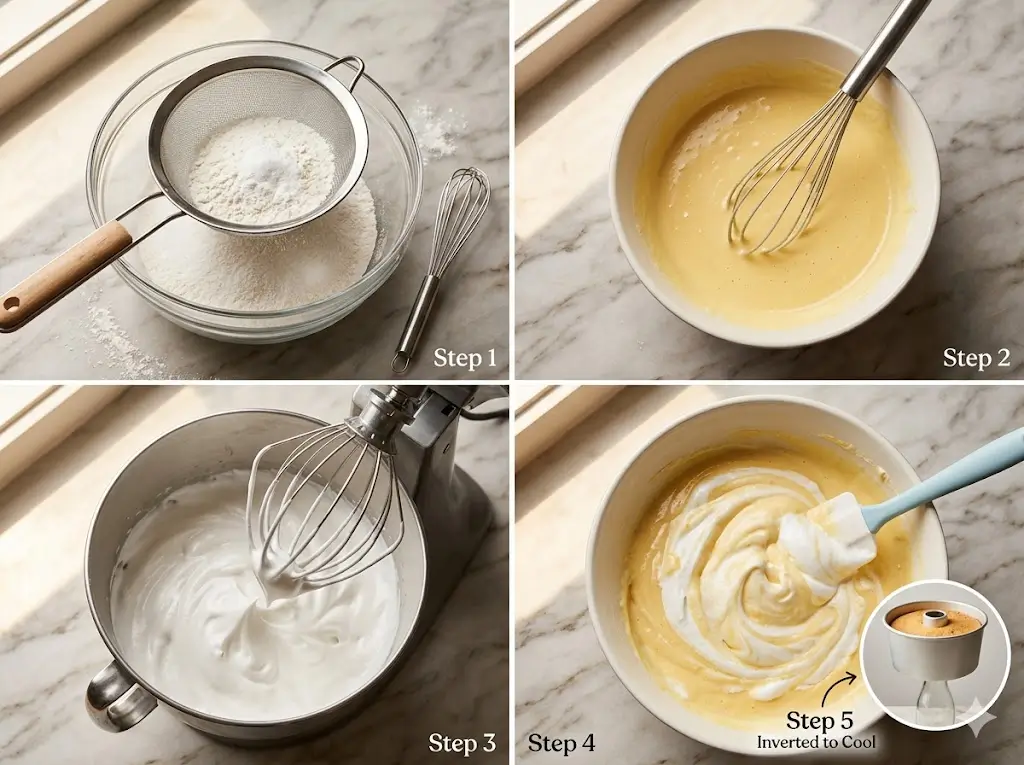
Begin by preheating your oven to 325°F (163°C). Take your 10-inch aluminum tube pan and ensure it is perfectly clean and dry. Do not grease or flour the pan! In your largest mixing bowl, sift together the cake flour, 1 cup of the granulated sugar, the baking powder, and the salt. Whisk them together thoroughly to ensure the chemical leavener is evenly distributed. Create a well in the center of these dry ingredients.
Step 2: Mix the Liquid Yolk Batter
Into the well you just created, add the vegetable oil, the 7 room-temperature egg yolks, the water (or citrus juice), and the vanilla extract. Using a balloon whisk, beat this mixture vigorously until it is completely smooth, shiny, and pale yellow. There should be absolutely no lumps of flour remaining. This thick, rich batter forms the flavor base of your cake. Set this bowl aside.
Step 3: Whip the Perfect Meringue
In the impeccably clean, grease-free bowl of your stand mixer fitted with the whisk attachment, add the 7 room-temperature egg whites and the cream of tartar. Beat on medium speed until the whites become frothy. Gradually increase the speed to medium-high and begin adding the remaining ½ cup of sugar, about one tablespoon at a time. Continue to whip until “stiff peaks” form. When you pull the whisk out, the meringue should stand straight up with a glossy sheen. Do not over-beat to the point where the whites look dry or clumpy.
Step 4: The Art of Folding
This is the most critical step. Take one-third of the stiff egg whites and add them to the thick yolk batter. Using your rubber spatula, gently fold them in to “lighten” the heavy batter. Once incorporated, gently pour this lightened yolk mixture into the bowl containing the rest of the egg whites. Using a careful “down, across, up, and over” motion with your spatula, fold the mixtures together until no white streaks remain. Rotate the bowl as you fold. Work quickly but gently to avoid deflating the air you just whipped into the meringue.
Step 5: Bake and Invert
Pour the remarkably light, fluffy batter into your ungreased tube pan. Run a butter knife through the batter in a circular motion to pop any large air pockets, then smooth the top. Bake on the lower-middle rack of your oven for 55 to 60 minutes. The cake is done when it springs back immediately to a gentle touch. Remove it from the oven and instantly turn the pan upside down, resting the center tube on the neck of a heavy bottle if your pan doesn’t have feet. Let it hang upside down for a full 2 hours until completely cold.
Nutritional Information
Because it utilizes oil instead of solid butter, this cake has a unique nutritional footprint compared to standard pound cakes or butter layer cakes. If you want to understand how different fats alter macro profiles, visit our deep dive into cake baking formulas and ratios. Here is the approximate profile per slice (based on 12 slices):
- Calories: 280 kcal
- Carbohydrates: 38g
- Protein: 5g
- Total Fat: 12g
- Saturated Fat: 1.5g
- Cholesterol: 110mg
- Sodium: 280mg
- Sugar: 25g
Data Insight: The use of vegetable oil means this cake contains nearly 85% less saturated fat than a traditional butter-based pound cake, making it a lighter option while still delivering incredible moisture and a tender crumb.
Healthier Alternatives for the Recipe
If you are looking to modify this classic recipe to fit specific dietary goals, it is surprisingly adaptable.
- Heart-Healthy Fat Swap: While vegetable oil is standard, you can elevate the nutritional profile by substituting it with avocado oil or a light-tasting olive oil. This increases the heart-healthy monounsaturated fats without compromising the required liquid-at-room-temperature property.
- Lower Sugar Variation: You can reduce the sugar in the yolk batter by ¼ cup without drastically affecting the structure. However, do not reduce the sugar in the egg white meringue, as it is structurally necessary to stabilize the whipped proteins.
- Gluten-Free Modification: Substitute the cake flour with a high-quality, 1-to-1 gluten-free baking blend. Make sure to sift it thoroughly, as gluten-free flours can sometimes clump and weigh down the delicate batter.
Serving Suggestions
Because the crumb is so light and airy, it pairs beautifully with delicate toppings rather than heavy, dense buttercreams. For a visual guide to beautiful plating, check out our cake decoration for beginners, or level up your skills with our advanced cake decorating guide.
- Chantilly Cream and Fresh Fruit: The absolute classic pairing. Serve thick slices alongside a generous dollop of lightly sweetened whipped cream (Chantilly cream) and fresh strawberries or raspberries.
- Lemon Glaze Drizzle: Whisk together 1 cup of powdered sugar with 2 tablespoons of fresh lemon juice. Drizzle this tart glaze over the cooled cake. The acidity beautifully balances the richness of the egg yolks.
- Toasted Coconut: Fold half a cup of finely shredded, toasted coconut into the batter before baking, and serve the finished slice with a light coconut cream glaze for a tropical twist.
Common Mistakes to Avoid
Even though the recipe is straightforward, the unique combination of techniques can trip up bakers. If you run into trouble, consult our extensive troubleshooting guide on common cake problems and how to fix them. Here are the main pitfalls:
- Greasing the Tube Pan: This is the most fatal error. The delicate batter must physically cling to the raw aluminum sides of the pan to pull itself upward as it bakes. If the pan is slick with butter or spray, the cake will slide down and collapse into a dense, gummy disk.
- Deflating the Egg Whites: Being overly aggressive during the folding stage will knock the microscopic air bubbles out of the meringue. Use a slow, sweeping motion with a wide rubber spatula, and stop the exact moment the batter is uniform in color.
- Skipping the Upside-Down Cool: When this cake comes out of the oven, its internal structure is incredibly fragile. If left right-side up, gravity will compress the hot, soft crumb. Hanging it upside down stretches the proteins as they cool, locking in that signature tall, airy texture.
Storing Tips for the Recipe
One of the greatest benefits of the oil-based formula is its longevity. Unlike butter cakes that harden in the fridge, this cake remains remarkably tender.
- Room Temperature Storage: Wrap the completely cooled cake tightly in plastic wrap or store it in an airtight cake keeper. It will remain moist and delicious on the counter for up to 4 days.
- Refrigerator Storage: Because oil remains liquid at cold temperatures, you can safely store this cake in the fridge for up to a week without it drying out or becoming rock hard.
- Freezing for the Future: Wrap slices individually in plastic wrap, then place them in a heavy-duty freezer bag. They freeze beautifully for up to 3 months. Thaw at room temperature for 30 minutes before serving.
Conclusion
So, What is a Chiffon Cake? It is the ultimate testament to baking chemistry—a perfect marriage of oil-based moisture and meringue-based lightness. By mastering the stiff egg white fold and the essential upside-down cooling method, you can easily conquer this impressive, towering dessert in your own kitchen.
We would absolutely love to hear about your baking adventures! We invite you to try this recipe, share your feedback in the review section, or leave a comment on our blog. Don’t forget to subscribe for more delicious updates, and be sure to bookmark our ultimate guide to cake recipes for your next weekend project.
FAQs
1. What is the difference between a sponge cake, an angel food cake, and a chiffon cake?
A traditional sponge cake uses whole eggs for leavening but contains no added fat (butter or oil). An angel food cake uses only egg whites and no fat whatsoever. A chiffon cake uses separated eggs, baking powder, and liquid vegetable oil, making it richer than angel food but much lighter than a standard butter cake.
2. Can I bake this in a standard 9×13 inch rectangular pan?
Yes, but the texture will be slightly different. If you use a 9×13 pan, do not grease it, and watch the baking time carefully as it will bake much faster (usually around 30 to 35 minutes). You will also need to find a creative way to cool it upside down, such as resting the edges of the pan on four overturned mugs.
3. Why did my cake fall out of the pan when I inverted it to cool?
There are a few reasons this might happen. Most commonly, the pan was either greased, or it was a pan with a non-stick coating. It can also happen if the cake is severely underbaked; the heavy, wet batter in the center will pull the entire cake down.
4. Can I use butter instead of vegetable oil for better flavor?
No. Replacing the oil with melted butter fundamentally changes the molecular structure. Butter solidifies at room temperature, which will make the resulting crumb much denser, drier, and heavier. If you want a buttery flavor, you should bake a traditional pound cake instead.
5. How do I easily remove the cooled cake from the ungreased pan?
Once the cake has cooled upside down for at least 2 hours, turn it right side up. Run a long, thin, flexible knife or an offset spatula firmly around the outer edge, pressing against the metal pan to avoid tearing the cake. Lift the center tube out, then run the knife along the bottom base and around the inner center tube to release it completely.
What is a Chiffon Cake? 7 Best Pro Tips
Ingredients
Equipment
Method
Step 1: Prepare Your Station and Dry Ingredients
Begin by preheating your oven to 325°F (163°C). Take your 10-inch aluminum tube pan and ensure it is perfectly clean and dry. Do not grease or flour the pan! In your largest mixing bowl, sift together the cake flour, 1 cup of the granulated sugar, the baking powder, and the salt. Whisk them together thoroughly to ensure the chemical leavener is evenly distributed. Create a well in the center of these dry ingredients.Step 2: Mix the Liquid Yolk Batter
Into the well you just created, add the vegetable oil, the 7 room-temperature egg yolks, the water (or citrus juice), and the vanilla extract. Using a balloon whisk, beat this mixture vigorously until it is completely smooth, shiny, and pale yellow. There should be absolutely no lumps of flour remaining. This thick, rich batter forms the flavor base of your cake. Set this bowl aside.Step 3: Whip the Perfect Meringue
In the impeccably clean, grease-free bowl of your stand mixer fitted with the whisk attachment, add the 7 room-temperature egg whites and the cream of tartar. Beat on medium speed until the whites become frothy. Gradually increase the speed to medium-high and begin adding the remaining ½ cup of sugar, about one tablespoon at a time. Continue to whip until "stiff peaks" form. When you pull the whisk out, the meringue should stand straight up with a glossy sheen. Do not over-beat to the point where the whites look dry or clumpy.Step 4: The Art of Folding
This is the most critical step. Take one-third of the stiff egg whites and add them to the thick yolk batter. Using your rubber spatula, gently fold them in to "lighten" the heavy batter. Once incorporated, gently pour this lightened yolk mixture into the bowl containing the rest of the egg whites. Using a careful "down, across, up, and over" motion with your spatula, fold the mixtures together until no white streaks remain. Rotate the bowl as you fold. Work quickly but gently to avoid deflating the air you just whipped into the meringue.Step 5: Bake and Invert
Pour the remarkably light, fluffy batter into your ungreased tube pan. Run a butter knife through the batter in a circular motion to pop any large air pockets, then smooth the top. Bake on the lower-middle rack of your oven for 55 to 60 minutes. The cake is done when it springs back immediately to a gentle touch. Remove it from the oven and instantly turn the pan upside down, resting the center tube on the neck of a heavy bottle if your pan doesn't have feet. Let it hang upside down for a full 2 hours until completely cold.