Go Back
Mastering the Traditional Pound Cake 5 Best Secrets

Mastering the Traditional Pound Cake 5 Best Secrets

Struggling with dry cakes? Mastering the Traditional Pound Cake is simple with these expert baking techniques. Fix dense crumbs and bake a rich treat. Try it!
Prep Time 15 minutes
Cook Time 30 minutes
Total Time 45 minutes
Servings: 4 people
Course: Dessert
Cuisine: American
Calories: 320

Ingredients
  

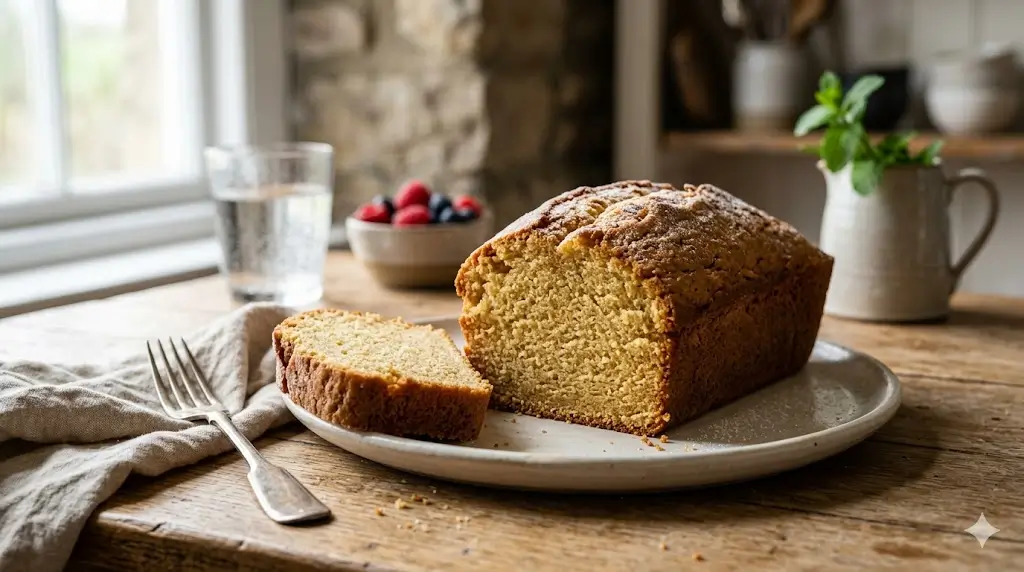
1 ½ cups (3 sticks) Unsalted Butter: This is the absolute backbone of your cake. It must be a high-quality butter, and crucially, it must be at true room temperature (around 65°F to 68°F). It should yield slightly to a gentle press but not look greasy or melted. Substitution: If you only have salted butter, omit the additional salt in the recipe.3 cups Granulated Sugar: The sugar does more than just sweeten; its sharp crystals physically punch microscopic air pockets into the butter during the creaming process. This provides the primary leavening for the cake. Substitution: For a slight caramel note, swap half a cup of granulated sugar for packed light brown sugar.5 Large Eggs: Eggs act as the binder and provide additional liquid and fat. They absolutely must be at room temperature to prevent the butter emulsion from breaking.3 cups All-Purpose Flour: A medium-protein flour provides the necessary structure to support the heavy butter and sugar without becoming tough. Substitution: For a slightly tighter crumb, you can use cake flour, but standard all-purpose yields the most traditional texture.½ cup Whole Milk or Buttermilk: Adds essential moisture and helps tenderize the gluten. Substitution: Full-fat sour cream or plain Greek yogurt will add a wonderful tang and incredible moisture.1 tablespoon Pure Vanilla Extract: Because there are so few ingredients, high-quality vanilla extract is essential for a rich, aromatic flavor profile.½ teaspoon Fine Sea Salt: Enhances all the inherent flavors, balancing the intense sweetness and highlighting the buttery notes.
Equipment

  • 10-Inch Bundt Pan or Two 9x5 Loaf Pans: Heavy-cast aluminum pans are highly recommended as they conduct heat evenly, preventing the edges from burning before the center is cooked. Heavy-Duty Stand Mixer: While a hand mixer can work, a stand mixer fitted with a paddle attachment makes the extensive 7-minute creaming process effortless. Digital Kitchen Scale: For the most accurate and consistent results, weighing your flour and sugar is vastly superior to using measuring cups. Silicone Spatula: Essential for scraping down the sides and bottom of the mixing bowl to ensure a homogenous batter.

Method
 

  1. Step 1: Pan Preparation and Preheating

    Begin by preheating your oven to 325°F (163°C). A lower temperature ensures the dense batter bakes evenly without the outside burning. Next, meticulously prepare your baking pan. Do not just lightly spray it. Generously brush the inside of your bundt pan with softened shortening or softened butter, ensuring you get into every single crevice. Then, add a few tablespoons of flour, rotating and tapping the pan until the inside is completely coated. Tap out any excess flour.

    Step 2: The Crucial Creaming Process

    In the bowl of your stand mixer fitted with the paddle attachment, place your room-temperature butter. Beat it on medium speed for 1 minute until smooth. Gradually pour in the granulated sugar. Once the sugar is added, increase the speed to medium-high and let the mixer run for a full 5 to 7 minutes. Do not rush this step! The mixture should transform from a dense yellow paste into a fluffy, pale ivory cloud. Stop the mixer twice during this process to scrape down the sides and bottom of the bowl with your silicone spatula.

    Step 3: Emulsifying the Eggs

    Reduce the mixer speed to medium-low. Begin adding the room-temperature eggs one at a time. It is crucial to let each egg fully incorporate into the batter before adding the next one. This takes about 30 seconds per egg. If you add the eggs too quickly, or if they are cold, the batter will curdle and separate, resulting in a heavy, greasy cake. Once all the eggs are incorporated, beat in the pure vanilla extract.

    Step 4: Alternating Dry and Wet Ingredients

    In a separate bowl, whisk together your flour and salt. With the mixer on the lowest possible speed, add one-third of the flour mixture to the butter mixture, mixing just until the flour disappears. Next, pour in half of your milk (or sour cream). Add the next third of the flour, followed by the remaining milk. Finally, add the last of the flour. Stop the mixer immediately once the last streak of flour is gone. Overmixing at this stage develops gluten, which will make your crumb tough and rubbery rather than velvety.

    Step 5: The Perfect Bake and Cooling

    Pour the thick batter into your prepared pan, using your spatula to smooth the top. Tap the pan firmly on the counter a few times to release any trapped air bubbles. Bake on the middle rack for 70 to 85 minutes. The cake is done when a wooden skewer inserted deep into the center comes out clean or with a few moist crumbs clinging to it. Remove the cake from the oven and let it cool in the pan on a wire rack for exactly 15 minutes—no more, no less. Invert the pan onto the wire rack, gently tapping the bottom if necessary, and carefully lift the pan away. Let the cake cool completely before slicing.